How To Stop Contact Form Spam Without Hurting Conversions
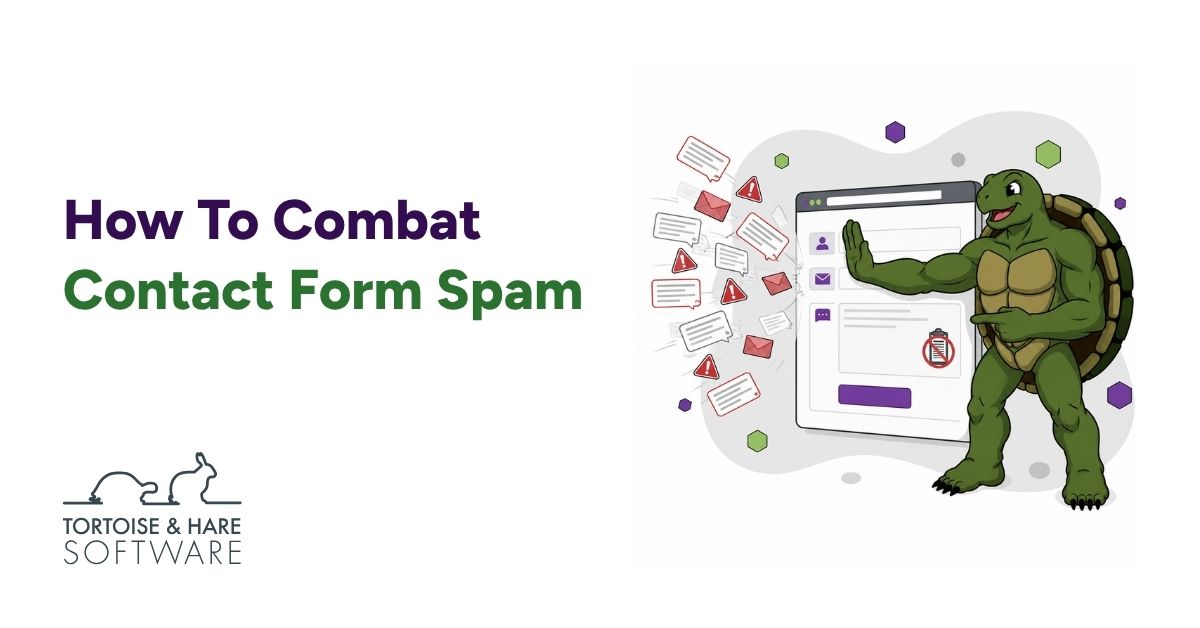
Your website’s contact form has a simple job. It should make it easy for someone who is interested in your business to reach you. Most of the time, it does that job quietly. Then spam starts showing up.
A few junk messages may be easy to ignore at first. As the volume grows, your team spends more time sorting inquiries, cleaning bad records out of the CRM, and correcting false conversions in marketing reports. What started as an inbox annoyance can begin affecting sales follow-up and the data you use to judge marketing performance.
The tricky part is that solving contact form spam isn’t only about blocking as much as possible. Every filter sits between a potential buyer and your team. Too little protection leaves staff sorting through junk. Too much protection can block qualified inquiries or make the form harder to complete.
In my experience, the best approach is gradual. First, understand the spam pattern and use the basic protection already available in your form tool. Then add a honeypot, CAPTCHA check, Cloudflare Turnstile, or CleanTalk only when the current layer isn’t enough. This keeps the form easier to use, limits administrative work, and gives you evidence before you make the filtering more restrictive.
Start By Identifying The Spam You Have
Contact form spam doesn’t all come from the same place. Before changing your form, look at a sample of the messages getting through. The pattern will tell you which type of protection is most likely to help.
- Random text, fake names, and strange links: These are often bot submissions sent across many websites at scale.
- Many similar messages in a short period: This often points to an automated burst. Built-in spam controls, CAPTCHA checks, Turnstile, or CleanTalk may help.
- A readable but unrelated sales pitch: A person may have submitted it by hand. Anti-bot tools may let it through because the sender behaves like a normal visitor.
- Suspicious links, false account details, or unsafe files: Treat these as a security concern as well as spam. File uploads and any system that acts on form data need their own security checks.
This distinction is important because one tool can’t solve every pattern. A honeypot may catch a simple bot but won’t stop a person from sending a sales pitch. A background check may catch more advanced bots, while CleanTalk can compare the submission with a broader set of spam signals. The best setup matches the protection to the spam you can see.
What The Main Anti-Spam Options Actually Do
| Option | What It Does | When To Add It | What You Need To Monitor |
|---|---|---|---|
| Built-In Form Protection | Uses the spam checks already included with your form plugin or form service. | Start here on almost any WordPress form. | Basic form testing and any spam log the tool provides. |
| Honeypot Or Form Timer | Uses a hidden field or submission speed to catch simple bots. | Add these early when they’re built into the form tool. | Rejected entries and timer settings that are too strict. |
| Client-Side CAPTCHA | Loads JavaScript in the browser and may show a checkbox, badge, image, or text challenge. | Add it when basic controls still allow bot spam through. | Script errors, plugin conflicts, accessibility, visual clutter, and failed checks. |
| Cloudflare Turnstile | Runs a browser check, creates a token, and requires the website to validate that token with Cloudflare. | Add it when you want a cleaner CAPTCHA alternative with background modes. | JavaScript loading, token failures, integration errors, and false positives. |
| CleanTalk | Sends submission details to a paid cloud service that allows, blocks, or flags the entry. | Add it when spam persists or several forms need the same background filtering. | Quarantined entries, cloud logs, form compatibility, and missed inquiries. |
| Validation | Checks that fields contain the expected type and amount of data. | Use it for data quality and security, not as the only spam filter. | Custom rules that reject valid formats, messages, or files. |
These options can work together, but they shouldn’t all be the starting point. Built-in protection, honeypots, and reasonable form timers create little friction and usually require less oversight. Client-side CAPTCHA, Turnstile, CleanTalk, and strict validation rules can stop more aggressive spam. They can also filter qualified inquiries, which means someone needs to review logs, check quarantined entries, and maintain exceptions.
Why You Should Add Stricter Filters Gradually
A stricter filter isn’t only a technical change. It creates an ongoing administrative task. Someone needs to check whether valid messages were blocked, review changes in spam patterns, and retest the form after plugin updates, form edits, or changes to connected systems.
That burden grows as you add services and custom rules. CleanTalk has its own cloud dashboard and spam log. Client-side CAPTCHA and Turnstile can fail because of browser settings, blocked JavaScript, or an integration problem. Start with the least restrictive controls, then move deeper only when the spam getting through justifies the extra monitoring.
How To Stop Contact Form Spam On WordPress
1. Find The Tool That Created Your Form
WordPress doesn’t include a general contact form by itself. Your form was probably created by a plugin, page builder, or outside form service. Common examples include WPForms, Contact Form 7, Gravity Forms, Ninja Forms, Elementor Forms, HubSpot forms, and forms supplied by email or CRM platforms.
If you aren’t sure which tool you have, open the page in the WordPress editor and select the form. The block, widget, or shortcode may show the product name. You can also check the Plugins screen for a form plugin. Be careful with shortcodes or embedded forms because their settings may live somewhere else.
Once you know the product, open its form settings and look for words such as spam protection, honeypot, CAPTCHA, Turnstile, Akismet, blocked entries, or spam storage. Turn on the built-in protection before adding another plugin. Built-in features are usually easier to set up because the form tool already knows how to read its own fields and submission process.
Use the current instructions for your product. WPForms documents its available anti-spam controls, including built-in filtering and optional services. Contact Form 7 documents its reCAPTCHA support. Your form tool may offer a different mix of settings.
2. Turn On Spam Storage Or Logging
Some form tools can save blocked entries in a spam folder or record why a submission was rejected. Turn this on when it’s available. Without a log, you may only know that fewer messages reached your inbox. You won’t know whether the filter blocked junk, blocked a qualified prospect, or failed before the form was sent.
A spam log also helps you spot patterns. You may find that one form gets most of the junk, that the same phrases appear over and over, or that a new filter is rejecting valid messages. This evidence makes the next decision much easier.
3. Add A Honeypot Or Form Timer
A honeypot is one of the simplest low-friction controls. It adds an extra field that is hidden from normal visitors. A basic bot may read the form code, see the field, and fill it in. The form then rejects the submission because a person should have left that field empty.
A form timer uses a different clue. It records when the form became available and when it was submitted. If the form arrives almost at once, the tool can flag it because a person would usually need more time to read the labels and type a message.
Neither option is perfect. Better bots can avoid hidden fields or wait before submitting. A timer can also cause problems if the limit is too strict. Still, these tools are good first layers because most visitors never see them.
4. Compare Client-Side CAPTCHA With Background Cloud Protection
People often describe CAPTCHA options as client-side or server-side. In practice, a secure CAPTCHA setup usually uses both. The browser runs a check and creates a result, then the website validates that result before accepting the form. The useful marketing distinction is whether the visitor sees a challenge and how much browser code the form needs.
Client-Side CAPTCHA Options
Client-side CAPTCHA tools load JavaScript in the visitor’s browser. Google reCAPTCHA and hCaptcha are common examples. Depending on the version and risk level, the visitor may see a badge, checkbox, image selection, or text challenge. Invisible and score-based versions can stay in the background until the tool sees something unusual.
These tools often have free tiers, which makes them easy to add through a WordPress form plugin. The tradeoff is that they add another JavaScript dependency. A blocked script, browser privacy setting, plugin conflict, or loading error can keep the form from working as expected. Visible badges and challenges can also make an otherwise clean form feel cluttered.
Turnstile And Cloud Filtering
Cloudflare Turnstile is a cleaner CAPTCHA alternative, but it still uses browser JavaScript. The browser creates a token and the website must validate it with Cloudflare before accepting the submission. Turnstile has a free plan and offers managed, non-interactive, and invisible modes that can keep the form visually clean.
CleanTalk works differently. It isn’t a CAPTCHA. The WordPress plugin sends submission details to CleanTalk’s paid cloud service, which returns a decision to allow, block, or flag the entry. Visitors usually see no badge, checkbox, or puzzle, which makes it more marketing friendly for forms where visual simplicity matters.
Both approaches still require monitoring. Turnstile can fail because of blocked JavaScript, token errors, or an incomplete integration. CleanTalk can misread a submission or conflict with a non-standard form. Test on a phone and a computer while logged out, then review failed checks and false positives before making either option more restrictive.
5. Use CleanTalk When Spam Keeps Getting Through
CleanTalk reviews each submission using more information than one hidden field or timer. It may consider the message, email address, network details, browser behavior, and patterns seen across other websites. The service then returns a decision to allow, block, or flag the entry.
CleanTalk is one option for WordPress. Its plugin connects the website to a paid cloud service and can cover contact forms, comments, sign-ups, and other submission points. Visitors usually don’t have to solve a visible puzzle. For a closer look at that product, read our guide to CleanTalk anti-spam for WordPress contact forms.
CleanTalk can make mistakes. A custom form may send data in a way the service doesn’t expect, or a normal message may resemble known spam. CleanTalk explains several causes of false positives. This is where the administrative burden starts to increase. Someone needs to review quarantined entries and confirm that valid submissions still trigger email alerts, CRM actions, thank-you pages, and tracking events.
6. Use Validation To Protect Data Quality
Validation checks whether a field contains acceptable data. An email field should contain an email address. A phone field may allow only expected characters and lengths. A message field can have a minimum and maximum length. A file field can restrict file types and sizes.
Your browser can show these errors before the form is sent, but the website must check the data again after submission. Bots can skip the browser and send information straight to the website. Server-side validation is the check that still runs in that situation.
Validation improves data quality and security, but it isn’t a full spam filter. A sales pitch written by a person can still contain a properly formatted name, email address, and message. Broad keyword rules can also reject good inquiries when they’re too aggressive.
7. Use CRM Lead Scoring To Reduce Administrative Burden
Technical filters may not stop a person who reads the form and types an unrelated sales pitch. If those submissions reach the CRM, lead scoring can reduce the time administrators spend reviewing them without adding more friction to the form.
Most modern CRMs offer some form of lead scoring, tagging, or rules-based automation. Depending on what your form collects, you can score a new lead based on relevance to your services, location, company size, job title, email domain, completed fields, or message content. Signals that match your ideal prospect can raise the score, while irrelevant services, repeated promotional language, or missing business information can lower it.
Use a low score to tag an entry as likely spam and route it to a separate review queue. Higher-scoring inquiries can continue through the normal sales process. Avoid automatically deleting low-scoring submissions at first. CRM administrators should review a sample, correct mistakes, and refine the rules so qualified inquiries aren’t pushed aside with the junk.
A Simple Setup For Most WordPress Sites
In most cases, I’d work through the options in this order:
- Find the form plugin or service and turn on its built-in spam protection.
- Enable spam storage or logging so you can see what gets blocked.
- Add a honeypot or reasonable form timer if the tool offers one.
- Test the form while logged out on a phone and a computer.
- Monitor spam and qualified leads before adding another layer.
- If bot spam continues, choose between client-side CAPTCHA, Turnstile, or CleanTalk based on the form experience and monitoring burden you can support.
- If you use CleanTalk, assign someone to review its logs and quarantine.
- Change one layer at a time so you can tell which control helped and which one created extra work.
This order starts with controls that are mostly invisible and easy to maintain. It also gives you evidence before you add a paid service or a stricter check. In my experience, that is more useful than installing several filters at once and creating multiple logs, dashboards, and false-positive checks that nobody owns.
How To Test Spam Protection Without Losing Leads
Before changing the form, record a basic starting point. Count the total submissions, obvious spam, qualified leads, and false positives you can see. Include form errors and completion rate if you already track them. You don’t need a perfect report. You need enough information to tell whether the change helped.
After each change, send a test inquiry while logged out of WordPress. Use more than one device. Check the confirmation message, email alert, saved form entry, CRM record, thank-you page, and marketing event. Then open the spam log and make sure your test wasn’t blocked or mislabeled.
Keep watching both spam and qualified leads after the change. The more restrictive the setup becomes, the more often someone should review blocked entries and false positives. A quieter inbox can look like success even when the filter is also blocking buyers. This is why spam protection overlaps with website development and conversion rate optimization.
Protect The Form Without Making It Harder To Use
I’ve ultimately come to the conclusion that the best anti-spam setup starts with the form tool you already have. Turn on its built-in protection, keep a log, and add a honeypot or timer when the evidence supports it. Use client-side CAPTCHA, Turnstile, or CleanTalk only when simpler checks aren’t enough. Every stricter layer should have an owner who can review blocked entries and make sure qualified inquiries still get through.
If contact form spam is filling your inbox, damaging your reporting, or creating bad CRM records, we can review the form, filtering, integrations, and tracking. Book a free consultation to discuss the next step.
About The Author