Why A B2B Website Should Cost $10,000+

One of the first questions buyers ask about a website project is, “Why should this cost $10,000 or more?” It’s a fair question. You may be comparing the quote with a template, a freelance build, or a do-it-yourself website builder. Against those options, $10,000 can sound high.
In my opinion, price is the wrong place to start. The better question is, “What business job does this website need to perform?” A simple site that proves your company exists is one kind of project. A B2B website that explains complex services is something else entirely. It must also build trust, support sales conversations, attract search traffic, and track qualified leads.
That second kind of website isn’t just a collection of pages. It’s a marketing and sales asset built from strategy, copywriting, design, development, search engine optimization (SEO), analytics, testing, and project management. Look at the full job. It becomes easier to see why a serious B2B website can move beyond $10,000 even when the finished site looks simple.
Is $10,000 A Good Starting Point?
Yes, but I see it as a planning threshold, not a universal minimum or a final price.
A compact starter site can come in below $10,000. That may be the right choice when you need a solid home page, one service page, an about page, a contact page, and a basic blog. You get a solid base that can expand later without paying for features you don’t need yet.
Well, the price rises when the website has a larger job. Your company may rely on search, paid advertising, referrals, or a long sales cycle. If so, you may need more service pages, sharper messaging, custom conversion paths, customer relationship management (CRM) integrations, analytics, and careful migration planning. At that point, $10,000 is often closer to the floor than the ceiling.
WebFX surveyed 250 U.S. marketing professionals for its current web design cost benchmarks. It reports an average range of $1,000 to $30,000+ in 2026, while larger or more complex projects may exceed $100,000. Why is that range so wide? The size, design, copy, SEO, integrations, and technical needs vary from one project to the next.
What A B2B Website Price Covers
A strong B2B website brings several skills together. One person may handle more than one role. A smaller project may not need an expert for each item. The tasks still have to be covered.
- Strategy: Defines the audience, offer, positioning, sitemap, and conversion path.
- Copywriting: Turns internal knowledge into useful pages that buyers can understand.
- Design: Creates a polished visual system and makes each page easy to use.
- Development: Builds responsive pages, templates, forms, and integrations.
- SEO: Plans page topics, headings, internal links, metadata, and redirects.
- Analytics: Connects forms, calls, and other actions to reliable reporting.
- Quality Assurance: Checks devices, browsers, links, forms, tracking, and accessibility.
- Project Management: Coordinates decisions, feedback, content, and launch tasks.
The cost doesn’t come from a designer moving boxes around a screen. It comes from joining these choices so the site supports the business after launch. A polished design can’t rescue weak messaging. Strong copy can’t fix forms that don’t submit or tracking that doesn’t record a lead.
Why Page Count Does Not Define Scope
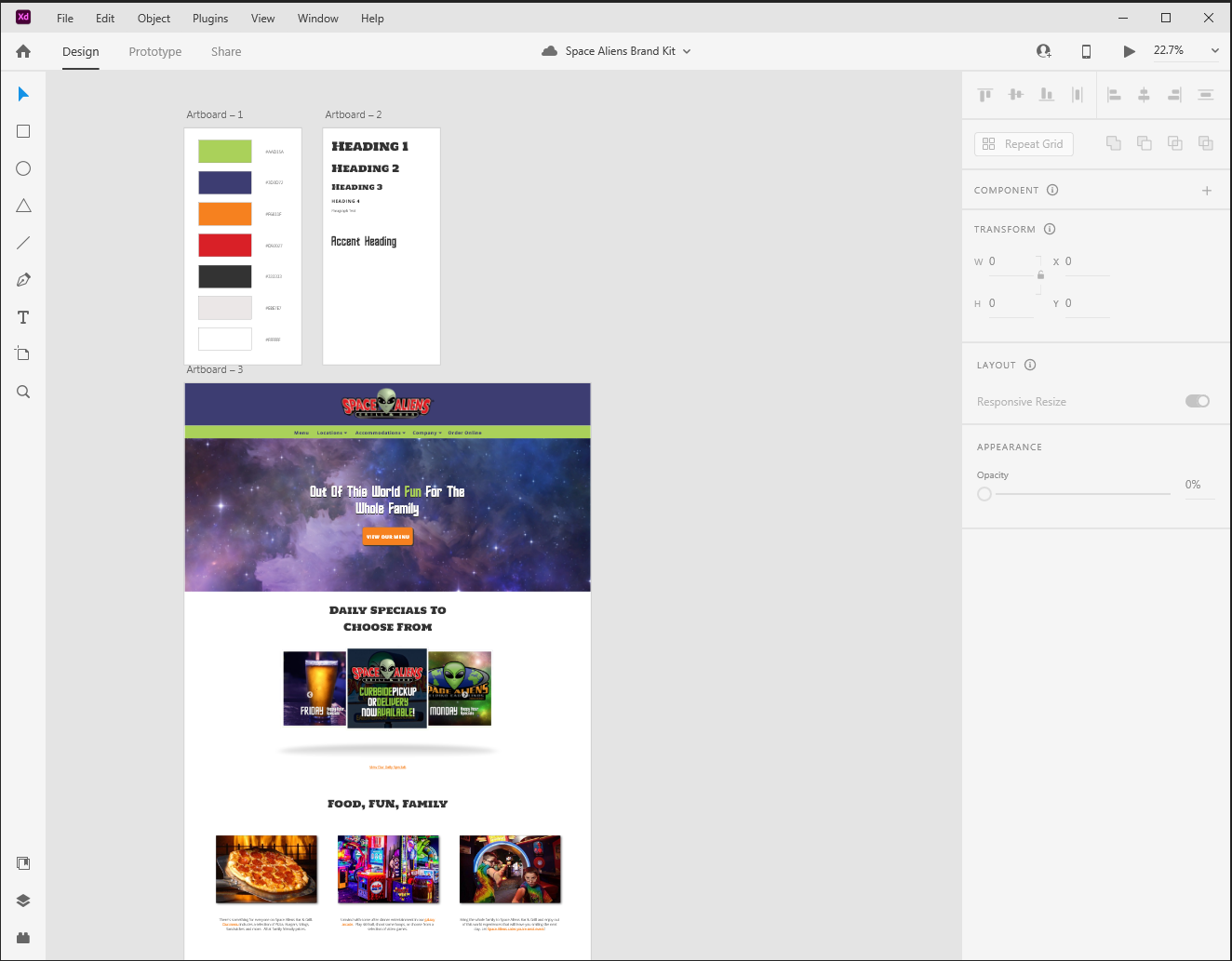
Put two 10-page website proposals side by side and they may look similar. The first may reuse one layout. It may also ask you to supply finished copy. The other may include buyer research, positioning, a custom page plan, copywriting, SEO, design, and several rounds of review. The page count is the same, but the project isn’t.
A B2B website built for lead generation may need:
- A home page that explains who you help and why buyers should care.
- Individual service pages for different problems or offers.
- Industry or location pages where your company has a distinct market.
- Case studies, proof pages, or portfolio content.
- About, team, and trust-building pages.
- Contact, consultation, or demo request pages.
- Blog and resource templates.
- Dedicated landing pages for paid campaigns or offers.
- Thank-you pages and conversion tracking.
- Privacy, accessibility, and other policy pages.
You probably don’t need every page on that list. Your sitemap should follow how buyers research, compare options, and decide to contact you. Adding pages without a purpose only raises the cost and creates more content to maintain.
What Has Changed Since 2021?
Buyers now expect fast mobile pages, simple forms, strong privacy and accessibility practices, and reliable tracking. Search and paid traffic put more pressure on every page. Each one must load well and guide a buyer toward a useful next step.
Modern website scope often includes page speed optimization, conversion tracking, CRM integrations, and careful testing across devices. These aren’t decorative extras. If the website is expected to support qualified lead generation, they’re part of the job.
What Sits Behind The Pages
Buyers see copy, images, buttons, and forms. Much of the project sits behind that visible layer:
- Mobile and cross-browser testing.
- Page speed and image optimization.
- Search-friendly site structure and metadata.
- Analytics and conversion tracking.
- CRM, email, call tracking, and form integrations.
- Cookie, privacy, and accessibility considerations.
- Security, backups, and software configuration.
- Redirects and migration from the old website.
- Quality checks before and after launch.
These details are easy to miss in a quote. They don’t always appear in a screenshot. You notice them when a form fails, tracking stops, search traffic drops after a migration, or a page breaks on a phone. A complete website development proposal should tell you which tasks are included, who owns them, and what happens after launch.
Why Cheaper Website Quotes Differ
A lower quote isn’t a bad quote by default. For a smaller scope, it may be exactly right. The risk comes from comparing prices before you compare what each team will deliver.
Before you choose a provider, check whether the price includes:
- Strategy and sitemap planning.
- Copywriting or content editing.
- Custom design or a light change to a template.
- SEO and a redirect plan.
- Content entry and image preparation.
- Forms, CRM integrations, and analytics.
- Revisions and feedback from your review team.
- Testing across devices and browsers.
- Launch support and post-launch fixes.
- Plugin licenses, hosting, and ongoing maintenance.
A quote that excludes copy, migration, tracking, and quality assurance may look inexpensive at first. Those tasks don’t disappear. Your team must complete them, remove them from the project, or pay for them later.
How To Compare Website Proposals
Stop comparing website quotes by page count and price alone. Start with the site’s job, the scope, and the business result each team will support.
- Define the site’s job. Decide whether it must build credibility, generate qualified leads, support paid campaigns, improve search visibility, or handle several of these jobs.
- Review the sitemap. Make sure every planned page has a purpose in the buyer journey or marketing plan.
- Confirm who owns the content. Ask who will research, write, edit, approve, and enter the copy.
- Check the technical scope. Look for tracking, integrations, redirects, performance, accessibility, testing, and launch support.
- Ask how success will be measured. The answer should connect the website with qualified inquiries, sales conversations, or another useful business result.
This comparison tells you more about value than an hourly estimate does. It also exposes gaps before the project begins, when they’re much easier and cheaper to address.
Compare Website Cost And Value
I’ve come to the conclusion that a B2B website should be judged by what it helps the business accomplish, not by how closely the finished pages match a mockup. It should explain your value, earn trust, and turn the right visitors into qualified inquiries.
That doesn’t mean every business needs an expensive custom build. The investment should match the potential return and the cost of getting it wrong. A weak website can make paid traffic less effective, slow down sales conversations, and force you to rebuild sooner than planned.
Measurement changes the conversation, too. Reliable analytics, form tracking, and focused conversion paths help your team improve the site over time. That’s where website strategy connects with conversion rate optimization. Our landing page conversion case study shows why page structure, messaging, and testing can create more value than simply adding pages.
When A $10,000+ Website Makes Sense
A project at this level is easier to justify when several of these statements are true:
- The website is expected to generate or influence qualified leads.
- Your company offers several services, products, industries, or locations.
- Search and paid advertising are important sources of new leads.
- Buyers need useful information and trust before they contact you.
- The project includes positioning, copywriting, design, and development.
- The site must connect with analytics, a CRM, call tracking, or other systems.
- The current website has search authority that must be protected during migration.
- Several people must review and approve the project.
If the website only needs to establish basic credibility, a smaller project may be enough. A site that supports lead generation across several channels has more scope and risk. A larger budget may make sense.
Build Around The Business Job
$10,000 isn’t a magic number. It’s a reminder that a B2B website built for qualified lead generation takes more than a few attractive pages.
Start with the buyer, your sales process, the marketing plan, and the systems the website must support. Then compare proposals based on the scope needed to get that result. That’s how you choose between a compact starter site and a larger investment without paying for features you don’t need.
Are you ready to build a website that supports qualified lead generation? Book a free consultation to discuss your goals, scope, and next steps.
About The Author