Case Study: TNHS Helps MSP Triple Revenue, Break 7-Figure Barrier With Local Marketing Strategy
Many MSPs know they need better marketing, but that does not mean they need the same strategy at every stage of growth. For smaller managed IT providers, the challenge is usually not just getting more visibility. It is building a local marketing strategy that can turn limited budget, strong hustle, and market opportunity into steady lead flow.
This case study shows how Tortoise and Hare Software helped a Philadelphia-area MSP grow from just over $300,000 in annual revenue to more than $1 million through a combination of technical SEO, local SEO, targeted landing pages, industry positioning, and seasonal Google Ads support. While networking, referrals, and chamber relationships also played an important role, local marketing became a major driver of more consistent inbound growth.
Over time, that strategy helped the company build stronger search visibility across eastern Pennsylvania, generate a more reliable lead flow, and create the foundation for long-term expansion.
Case Study Snapshot
This MSP local marketing case study highlights how TNHS helped a managed IT services provider in the suburbs of Philadelphia improve website performance, strengthen local SEO visibility, and more than triple revenue over a multi-year engagement.
Starting point
- just over $300,000 in annual revenue
- two business partners leading the company
- limited but realistic marketing budget
- inconsistent inbound lead flow
- slow website with weak search performance
Strategy
- technical SEO and performance improvements
- refresh of core managed IT service pages
- industry-specific landing pages
- programmatic local landing page deployment
- link building to support local SEO
- seasonal Google Ads campaigns to supplement SEO
Outcome
- more than tripled revenue
- broke the seven-figure barrier
- built a more consistent baseline of around five leads per month
- expanded the team
- added a part-time marketing coordinator
- established leading local visibility in key eastern Pennsylvania markets
The Client Background
This client is an MSP located in a major suburb outside Philadelphia in eastern Pennsylvania. They serve a highly industrial regional market and focus on organizations in sectors like:
- manufacturing
- engineering
- warehousing
- distribution
In other words, they serve businesses that move, make, and build.
That positioning matters. Their surrounding market includes a strong concentration of industrial companies that fit their ideal client profile, which made local SEO and location-based service targeting especially effective.
The Challenge
When they first engaged TNHS, the company had ambition and market opportunity, but their digital presence was not helping them capitalize on either.
They already had some website content in place, including pages and blog content they had worked on internally. But the website was built on Elementor, had slow load times, and suffered from performance problems that affected both user experience and search performance. Rankings were weak, traffic was limited, and the site was not producing meaningful lead generation.
Elementor is popular page builder because of it’s visual appeal but it is also one of the heaviest and most bloated. It is also has a robust network of plugins that extend it which can quickly and frequently turn it into an slow loading glitchy behemoth. Especially on mobile where B2B marketers rarely look and Google uses mobile first indexing which makes that a problem.
They were also still in an earlier growth stage. Budget existed, but it had to be used carefully. That meant the strategy could not be built around doing everything at once.
The challenge was to create a local marketing system that matched the company’s size, growth ambitions, service area, and ideal client profile.
The Local Marketing Strategy
We did not tackle every challenge at once. Instead, we approached the campaign in stages and focused on the highest-value opportunities first.
1. Technical SEO and website performance improvements
Before trying to scale visibility, we needed to improve the website foundation.
The site was slow, clunky, and not offering a great user experience. We started by making technical SEO improvements and performance optimizations to reduce load times and improve usability.
This mattered for two reasons. First, better performance supports a stronger user experience. Second, it creates a better foundation for SEO and conversion improvements later.
For MSPs, this is an important lesson. Driving more traffic to a slow, underperforming website is rarely the best first move.
2. Core service page optimization
Once the technical issues were more under control, we focused on strengthening the site’s key commercial pages.
We refreshed and improved landing pages around core services such as:
- managed IT services
- managed cybersecurity
- managed data backup
- cloud services
These pages gave the site a stronger service architecture and made it easier for both search engines and prospects to understand what the business offered.
This step also helped prepare the website for stronger local SEO performance later, because location-based visibility tends to work better when the core service pages are already solid.
3. Industry-specific positioning
This client had a clear sweet spot in industrial and operational businesses.
We helped them build out industry pages for verticals that aligned well with both their expertise and the regional market, especially:
- manufacturing
- engineering
- warehousing
- distribution
That improved relevance and made the company’s messaging more specific.
Generic MSP positioning often struggles because it sounds interchangeable. Industry pages helped this company speak more directly to the types of businesses they wanted most, while also supporting search visibility around industry-specific intent.
4. Local landing pages and geographic coverage
Once the service and industry page foundation was in place, we focused more aggressively on local SEO.
We programmatically deployed a network of local landing pages across their designated service area to improve geographic coverage in eastern Pennsylvania. Then we supported those pages with link building to strengthen authority and help improve rankings.
This became one of the major turning points in the campaign.
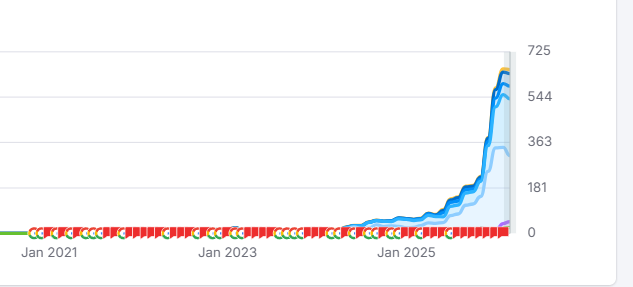
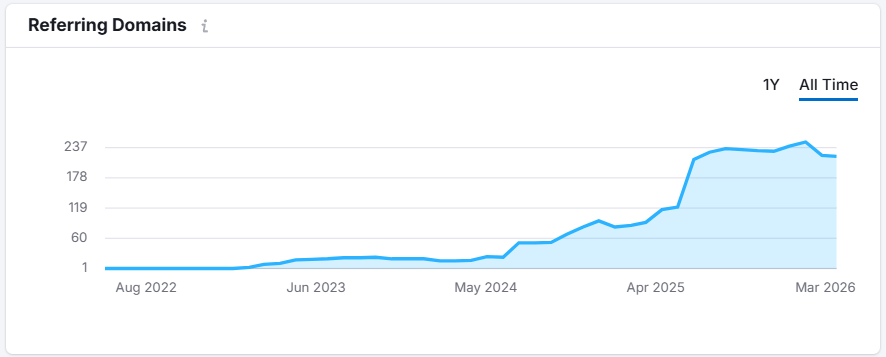
For a regional MSP, local SEO is often where growth starts to compound. When the service pages are solid, the positioning is clear, and the local pages are strategically built, the company can begin to own meaningful visibility in target markets outside its immediate headquarters location.
5. Seasonal Google Ads as part of the growth model
Because the client was still a small business, we had to work within real budget constraints.
Rather than trying to fully fund SEO and Google Ads at the same time all year, we used more of a stair-step method. In the spring and summer, we focused more on SEO work. In the fall, we often shifted toward Google Ads to generate more immediate lead opportunities.
That approach is not ideal in a perfect world. SEO generally performs best when momentum is maintained consistently. But for a smaller MSP trying to grow carefully, alternating emphasis between SEO and paid search can be a practical compromise.
This approach helped generate enough traction along the way to keep growth moving until the company reached a stronger and more stable operating position.
The Results
Over the course of this engagement, the client grew from a small MSP with just over $300,000 in annual revenue into a seven-figure business.
That means they more than tripled revenue while building a more dependable local marketing engine.
Business outcomes
- revenue grew from just over $300,000 to more than $1 million
- the company expanded beyond the two founding partners
- team members were added to help reduce delivery pressure
- a part-time marketing coordinator was added to support internal marketing activity
- lead generation became more stable and predictable
Lead generation outcomes
- early growth involved scraping together a few leads per month with intermittent performance
- today, the business has a more reliable baseline of around five leads per month
- lead flow still fluctuates, but there is now a much stronger and more stable floor
That shift matters because sustainable growth is not just about spikes. It is about building enough consistency that hiring, planning, and future investment become easier.
Search Visibility Gains
One of the strongest indicators of success has been the company’s local search visibility across eastern Pennsylvania.
In one of the main locations we target, the client now holds a 48% market visibility share, while the next closest competitor has 23%. That puts them in the number one position in that market by a comfortable margin.
In that same area, they also hold more than 150 top-three keyword rankings, giving them strong coverage across a large number of valuable local search terms.
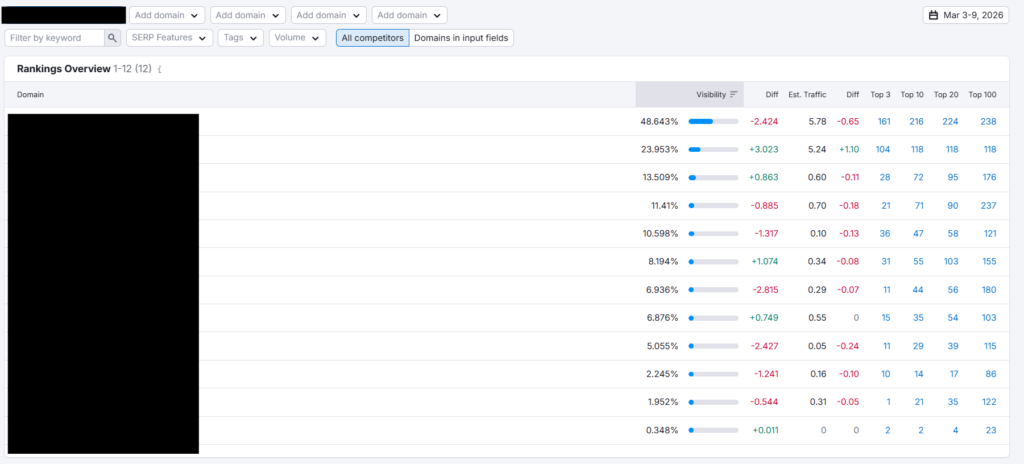
We are also seeing strong performance in another nearby market where they currently rank in the top spot with 30% market visibility share. That market is more competitive, with the next closest competitors sitting at 29% and 28%, so the lead is much narrower. Even so, they are still in first place in that area, which reinforces the strength of the campaign.

Right now, the business has built a solid base of search visibility in eastern Pennsylvania just outside Philadelphia. That is an important milestone because it gives them strong penetration in markets that fit their size, service model, and target industries.
Long term, Philadelphia itself remains a strategic opportunity. It is also a tougher market and will likely require more scale and continued investment before a more meaningful push makes sense. But their current visibility in surrounding markets has created the kind of foundation that can support that future move.
Why This Engagement Worked
One of the biggest reasons this client succeeded was not just tactics. It was mindset.
Even when they were still a smaller MSP, the two partners set a realistic and adequate marketing budget. They understood that growth requires investment. They were willing to spend, willing to be patient, and willing to trust the process.
At the same time, they were engaged and thoughtful clients. They asked questions, wanted to understand what we were doing, and paid attention to the trajectory. They were not passive. They were involved.
That cultural fit mattered.
A lot of smaller businesses say they want growth, but hesitate when it comes time to invest consistently. This client had the opposite attitude. They were hungry, ambitious, and willing to make room for marketing while also doing important growth work on their end through chamber events, networking, and referrals.
We did not triple all of their revenue on our own. Their local networking and relationship-building absolutely contributed to the outcome. But our work became a major part of the engine that helped them build momentum and convert that momentum into a more reliable growth trajectory.
They now refer to us as their “secret weapon”.
What Other MSPs Can Learn From This Case Study
This campaign highlights several lessons that apply to other MSPs trying to grow through local marketing.
Culture matters more than company size
A smaller client with the right mindset can outperform a larger one with poor commitment. This company invested seriously in growth even when they were still small.
Technical SEO should come before aggressive traffic growth
A slow site can suppress rankings, hurt user experience, and weaken conversion rates.
Core service pages need to be strong before local SEO can really scale
Local landing pages work much better when the main service architecture is already in place.
Industry positioning can improve both relevance and lead quality
Targeting the right verticals helps the company stand out and connect with better-fit prospects.
A phased strategy can work when budget is limited
For smaller MSPs, doing everything at once is not always realistic. A stair-step approach can still create momentum when executed with discipline.
Local market dominance can come before metro market expansion
For this client, owning visibility in eastern Pennsylvania outside Philadelphia has been a more realistic and profitable near-term path than forcing a premature push into the city itself.
A Key Lesson for TNHS
One of the most valuable takeaways from this client relationship is that it reinforced an important belief for us: do not get too caught up in client size. Focus on mindset, alignment, and willingness to invest.
At TNHS, we have consistently invested heavily in our own growth and marketing, even when that meant sacrificing short-term profitability in favor of long-term momentum. This client shared a similar attitude. They understood that growth takes commitment, patience, and a willingness to keep going before the full payoff is obvious.
That made them an excellent fit from the start, and that fit helped both of our companies grow together.
Conclusion
This case study shows what can happen when the right local marketing strategy meets the right client mindset.
This Philadelphia-area MSP did not grow through SEO alone. Their networking, referrals, chamber activity, and hustle all played a role. But local marketing became a major contributor to their success by helping them improve their website, strengthen their service and industry positioning, expand local search visibility, and generate more reliable inbound leads.
They started as a two-partner business doing just over $300,000 in annual revenue. Today, they are over the seven-figure mark, have a growing team, and hold leading search visibility in key eastern Pennsylvania markets.
For MSPs trying to grow in competitive regional markets, that kind of outcome does not come from random tactics. It comes from a strategy that fits the business, a willingness to invest, and consistent execution over time.
Ready to inject some life in your MSP’s marketing and lead generation efforts? Book a free consultation today.
About The Author